Research · Editor's pick
Why Astrology Loves Hindsight
After the event, the chart looks obvious. Selection, confirmation, flexibility. Honesty about prediction standards is not an attack on the craft.
hindsight · bias · method
20 Sept 2026 · 2 min read
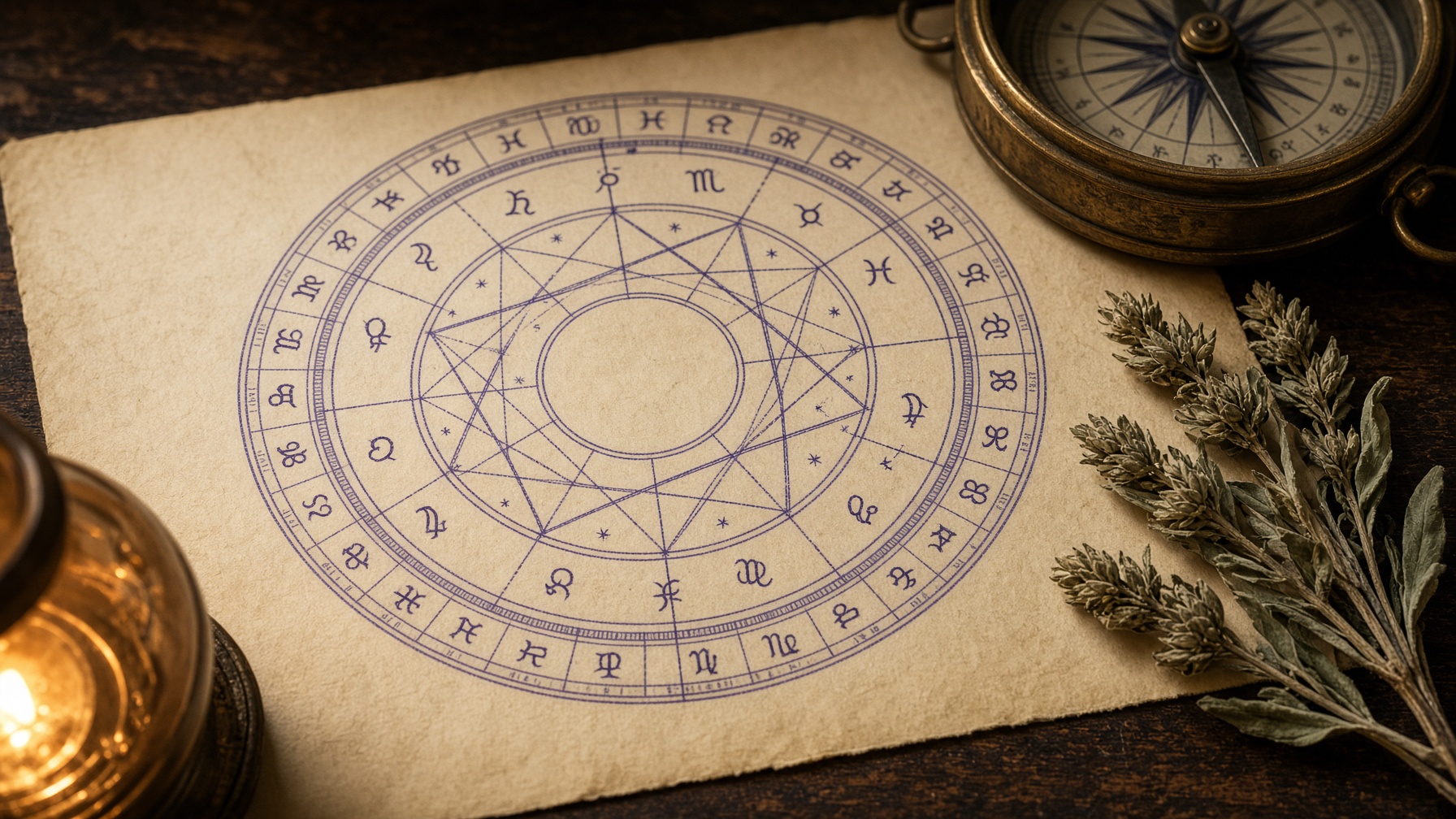
After a marriage, a crash, a prize, a move, the chart is a genius. Of course that Jupiter. Of course that node. Of course the eighth. Hindsight is not a crime. It is how humans learn a language. It becomes a problem when the obviousness is sold as proof that the same method would have spoken in advance.
Selection bias does the viral work. Hits are kept. Misses are not a genre. Confirmation bias sits on both sides of the table: the reader finds the yoga they always find; the client hears the sentence they came for. Interpretive flexibility is real in Jyotish — many significators can be asked to carry one event, and a skilled reader can make a coherent story from several of them. Coherence after the fact is a kind of literacy. It is not the same as a timed claim.
Standards, not sneering
Predictive standards, if we use the word at all, would mean a claim made in advance, a window, a class of event, and a willingness to count the quiet skies. Very little popular astrology meets that bar. Some careful work tries. Trying is not finished. CapSage will not attack the tradition for being old, symbolic, or human. We will insist that hindsight wear a label. Retrospective matching is a powerful teacher. It is a dishonest salesperson when the obviousness is used to imply that the reader knew, or that the method always knows.
Explaining a ruin after it has happened is literacy. Predicting it is a different job, and it owes the living a higher standard than a rhyme.
Read the confirmation-bias essay. Read the catastrophe piece if you want the public version of this itch. The research shelf is built for better questions, not for emptying the sky. Intellectual honesty will not make Jyotish smaller. It will make it fit to sit with.
20 Sept 2026 · 2 min · CapSage Astro